Inland fleet electrification · Blue Propulsion

Electrification of inland vessels for European fleets

SYM Naval supplies Blue Propulsion systems to electrify inland cargo and service vessels. A project may cover the supply of the system alone or the complete conversion of the vessel.

100%Electric · zero direct emissions
LFPHigh thermal stability
ISO9001 · 14001 · 45001
+25Years in shipbuilding and repair
Fleet renewal

Modernising the propulsion of a vessel with remaining service life.

In inland navigation, lower exposure to salt corrosion can extend hull service life by decades. As a result, emission-reduction requirements may reach the propulsion system well before the vessel itself needs replacing.

An electric conversion allows an existing platform to be retained, provided its condition and its operation permit it. Feasibility depends on the structural condition of the hull, the duty cycle, the power and energy demand, the space and weight margins available, the charging options, and classification and flag requirements.

Blue Propulsion system

Electric motors and LFP batteries configured for each vessel's operating profile

SYM Naval's own modular, redundant system, sized from the power and energy the vessel actually demands. It brings together electric propulsion motors, LFP batteries and control systems in an architecture adapted to the vessel's installation and charging conditions.

Electric propulsion motors

One or more electric motors sized to the vessel's power demand, duty cycle and propulsion arrangement.
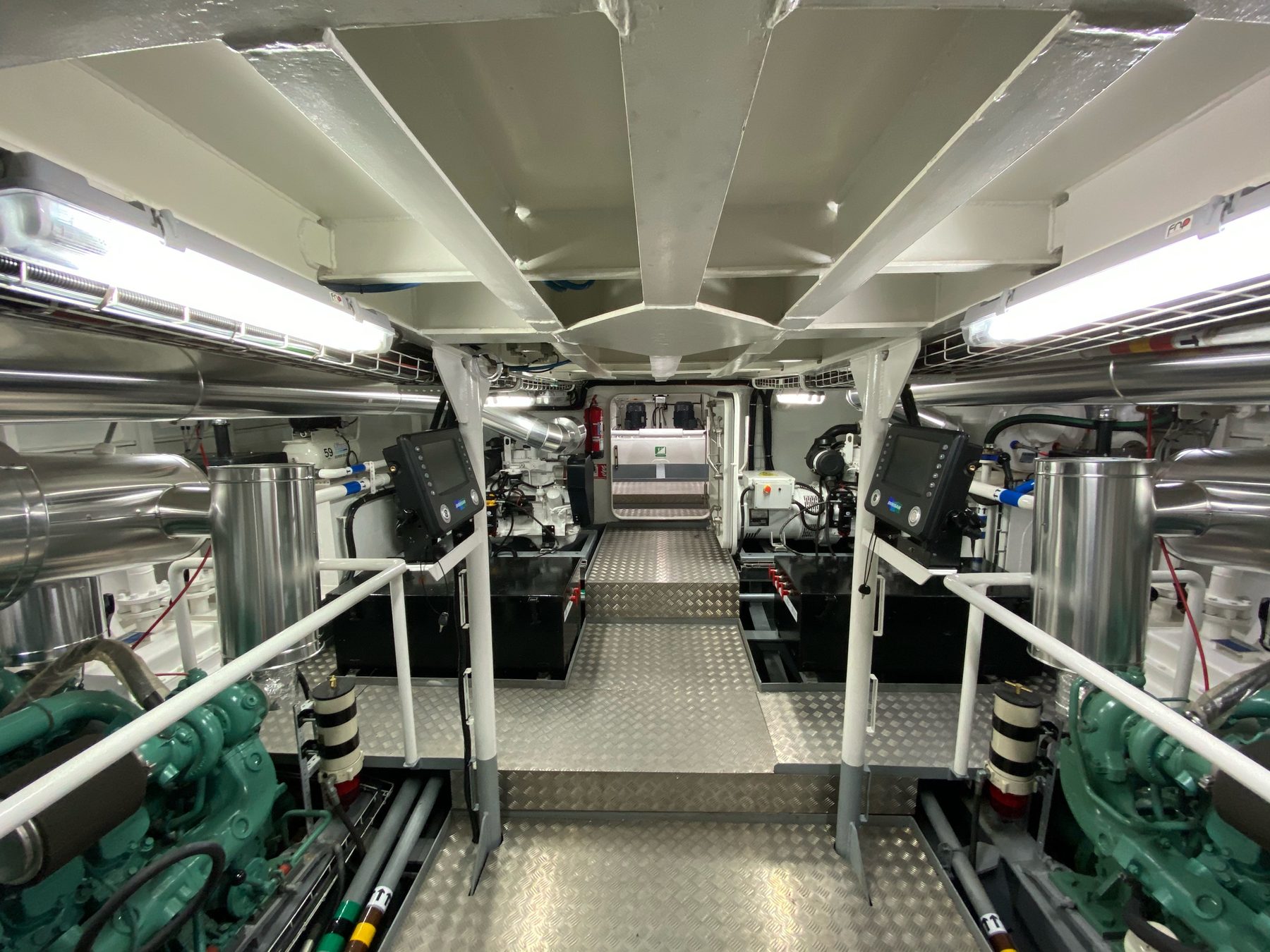
LFP battery system

Packs with integrated BMS and independent battery banks, configured to provide the required energy capacity and redundancy.

Energy and thermal management

EMS and liquid cooling to monitor energy storage and keep the batteries within the operating conditions defined for the installation.

Charging and on-board integration

The charging strategy follows from the route, the stops, the time available alongside and the port infrastructure. Shore power, interfaces and the on-board charger are specified project by project.

Project scope

System supply or complete conversion of the vessel

The contractual scope is agreed after reviewing the vessel, its documentation and the responsibilities of each party. SYM Naval can supply the Blue Propulsion system for integration by the owner's shipyard, or take on the engineering and execution of the complete conversion.

Blue Propulsion supply

Integration by the owner's shipyard
  • Motors and battery system configured to the requirements agreed for the project.
  • Interfaces defined and the documentation covering the supply delivered.
  • Installation, integration and vessel modifications carried out by the owner's shipyard.
View the battery system

Complete conversion

Engineering and integration under a single scope
  • Integration engineering and structural, mechanical and electrical works.
  • Technical coordination with the classification society and the flag administration.
  • Integration, trials programme and delivery of the vessel within the agreed scope.
View the conversion service
Project engineering

How conversion feasibility is determined

Electric propulsion is sized from the vessel's full operating cycle. Installed power, or an endurance figure on its own, is not enough to define the system.

01 / DATA

Initial information

Vessel type and service, current propulsion, installed power, route, operating hours, stops, shore charging available, country of operation and basic technical documentation.

02 / ENGINEERING

Technical assessment

Energy balance for each duty phase, space and weight margins, stability, cooling, maintenance access and integration with the existing electrical and mechanical systems.

03 / SCOPE

Definition and approval

System architecture, capacity and charging; allocation of responsibilities between owner, shipyard and SYM Naval; class, flag and country-of-operation requirements.

04 / DELIVERY

Supply or conversion

Manufacture and delivery of the system, with integration carried out by the owner's shipyard or by SYM Naval. Trials and delivery programme agreed for the project.

Power, energy, lead time and contractual scope are confirmed after inspecting the vessel and validating its technical documentation.

Reference project

Castalia, fully electric multipurpose harbour vessel

Designed and built by SYM Naval, Castalia is a multipurpose harbour vessel equipped with fully electric propulsion. It supports mooring operations, waste collection, crew and supply transport, environmental monitoring and emergency response. The project brings the electric motors, the battery system and their on-board integration together in a single vessel.
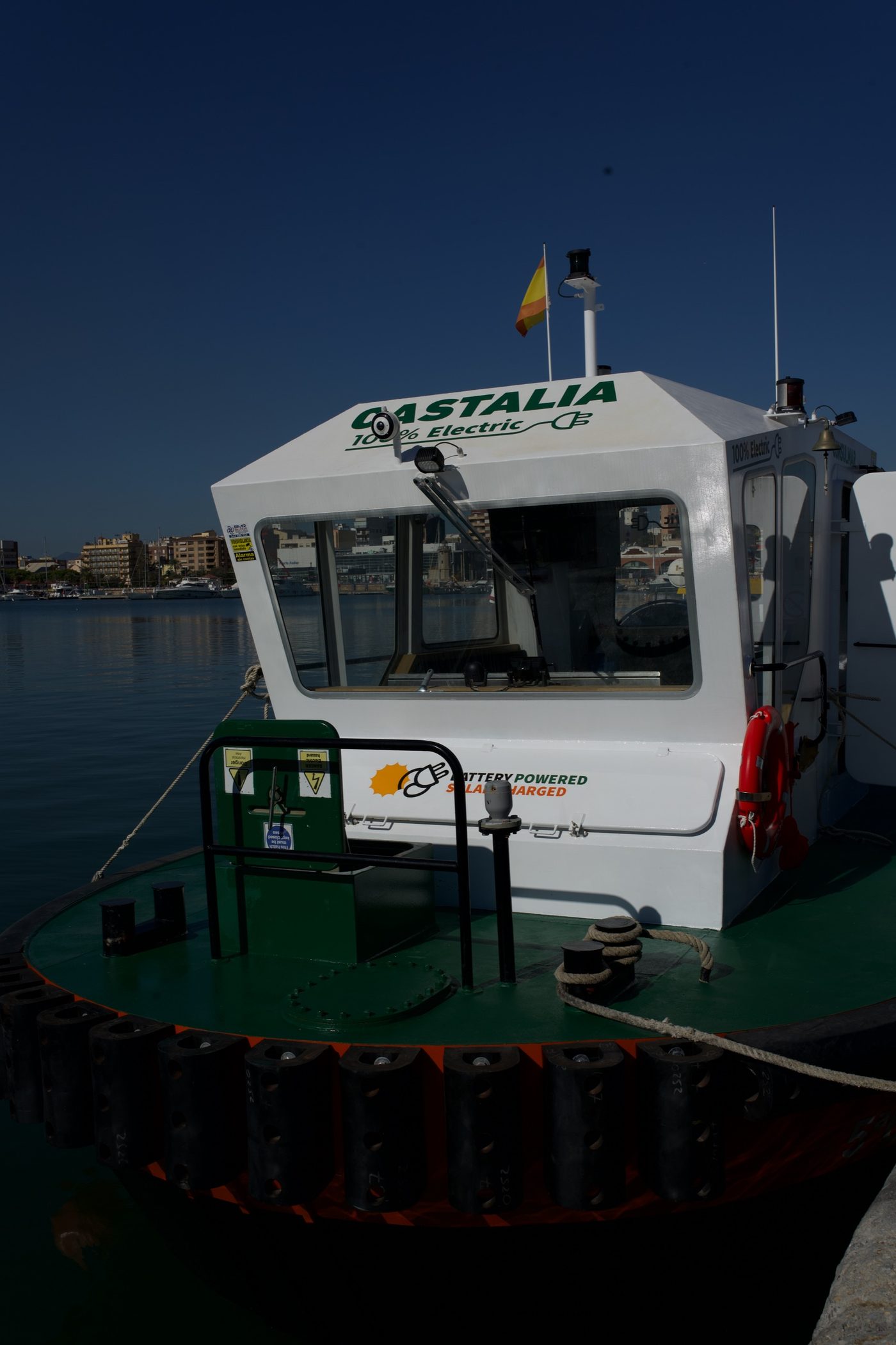
Castalia, fully electric multipurpose harbour vessel built by SYM Naval
Reference caseCastalia · fully electric multipurpose harbour vessel
Length overall12.5 m
Beam5 m
Depth2.4 m
Propulsion2 × 240 kW
Batteries0.5 MWh
Endurance10 h
Speed7 kn
MARPOL cargo30

Castalia demonstrates SYM Naval's capability to size, integrate and deliver a complete electric propulsion system on a working vessel. In an inland conversion, that experience carries over to the assessment of the existing hull, the operating profile, the power and energy demand, the charging infrastructure and the requirements of the vessel's intended flag.

SYM Naval is currently working on European projects for the electrification of inland vessels.

View the Castalia project
Technical and contractual questions

What determines the scope of an electric conversion

The solution is defined for each vessel and each operation. These answers summarise the main criteria applied in the initial assessment.

Can Blue Propulsion be supplied as a standalone system?

Yes. SYM Naval can supply the Blue Propulsion system sized for the vessel, with motors, batteries and interfaces included in the agreed scope. Installation and shipyard works can then be carried out by the owner's yard.

What determines the technical feasibility of a conversion?

The condition of the vessel, its operating cycle, the power and energy required, the space available, weight distribution, stability, charging options, and classification and flag requirements. Feasibility cannot be confirmed until these factors are reviewed together.

How are power, battery capacity and endurance calculated?

The starting point is the route and each duty phase: speeds, manoeuvres, operating times, auxiliary loads, power peaks, stops and charging windows. Vessel type or length alone are not enough to size the system.

Who is responsible for classification and flag?

It depends on the contracted scope. In a complete conversion, SYM Naval includes technical coordination with the classification society and the flag administration. When only the system is supplied, the responsibilities and documentation of each party are agreed before delivery.

Is there funding available to electrify an inland vessel?

The programmes available and their eligibility conditions depend on the country and on the current funding call. SYM Naval provides the technical documentation covering the contracted scope; eligibility must be confirmed with the authority or body responsible for the programme.

What documentation does SYM Naval need for a first assessment?

A description of the service, current propulsion and power, route, operating hours and phases, stops, charging facilities available, country of operation, flag and the vessel's basic technical documentation.

Technical and commercial enquiryLet's review the operating profile before sizing the system

Send us whatever information you have, even at an early stage. The SYM Naval team will tell you what else is needed to move forward.

Fast
response

Send us your enquiry