The Panama Canal is one of the most relevant maritime corridors in the world: it connects the Atlantic and the Pacific and concentrates a continuous flow of vessels in transit or waiting for a slot. In that context, a well-planned technical stop can become a practical operational tool: address issues, execute maintenance and reduce risk without deviating from route or adding unnecessary off-hire days.
The key is not “doing more work”, but doing the right work at the right time, with logistics and coordination that match real vessel operations.
Why the Canal is a natural point for a technical stop
On routes between Asia and the US East Coast, or between Europe and the Americas’ West Coast, Panama acts as a logical midpoint. If the vessel is already transiting or waiting, it can be effective to use that window to:
- Avoid deviations to a shipyard or unplanned ports.
- Minimise time out of service by integrating work into an existing call or waiting period.
- Reduce operational risk ahead of a demanding manoeuvring phase such as the Canal transit.
This approach is especially useful when there are early indicators—vibration, leaks, recurring alarms, automation faults—that do not justify an immediate docking, but do warrant a controlled technical intervention.
What makes a technical stop work (instead of becoming a problem)
The difference between an efficient technical stop and an intervention that drags on is usually preparation. For it to work, three pillars matter:
1) Clear scope. Define what will be done and what will not be done. The clearer the scope, the easier it is to control time and resources.
2) Pre-diagnosis and documentation. Reports, photos, alarm data, maintenance history, drawings and a spare parts list. This allows the right team to mobilise and reduces improvisation.
3) Logistics and permits. Coordinate access, transport of personnel and materials, work safety and the vessel’s own operational constraints—especially under anchorage or waiting conditions.
When these three elements are properly defined, a short intervention can resolve critical issues without triggering unnecessary delays.
24/7 model and mobile teams: intervening without disrupting operations
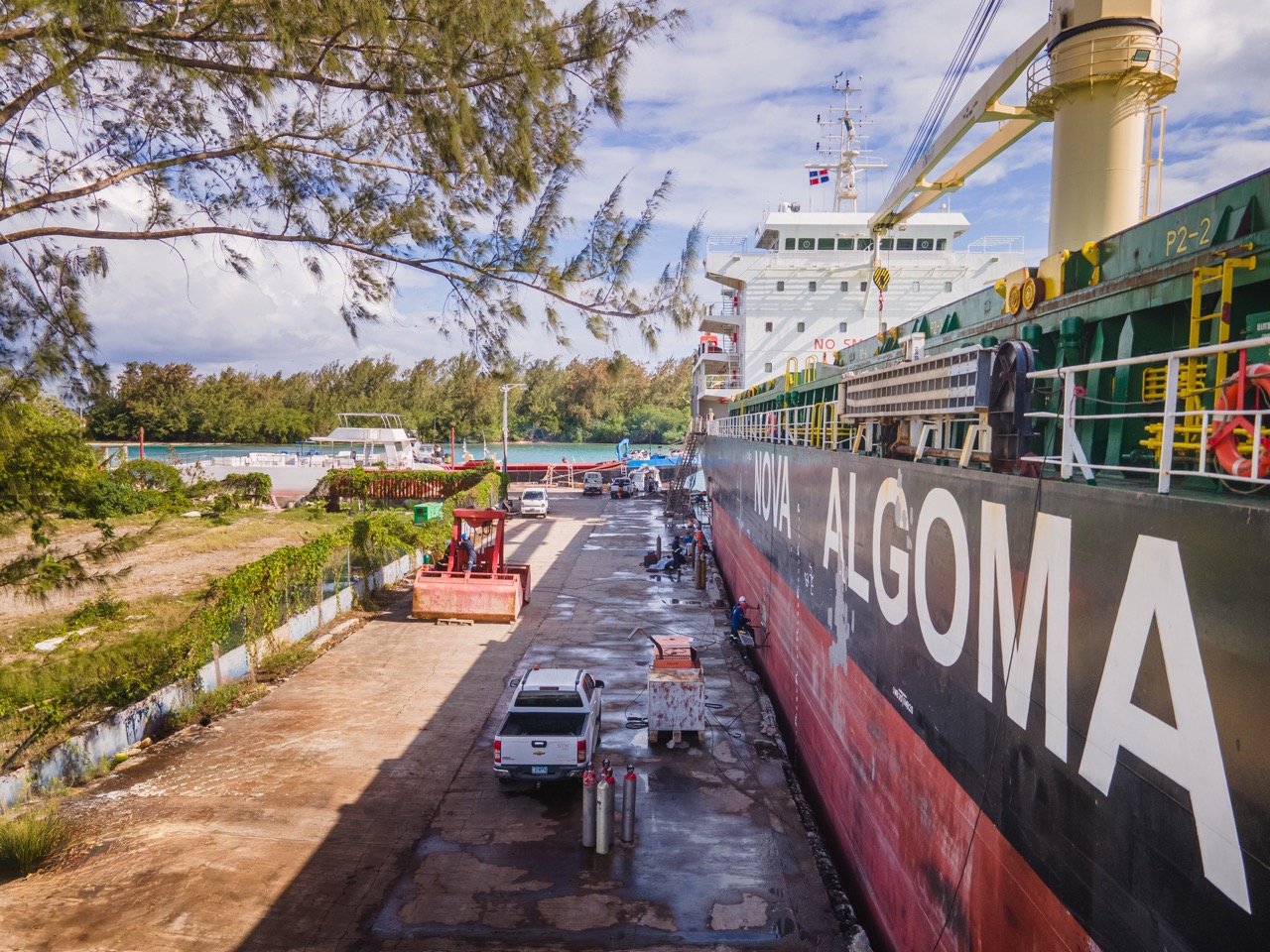
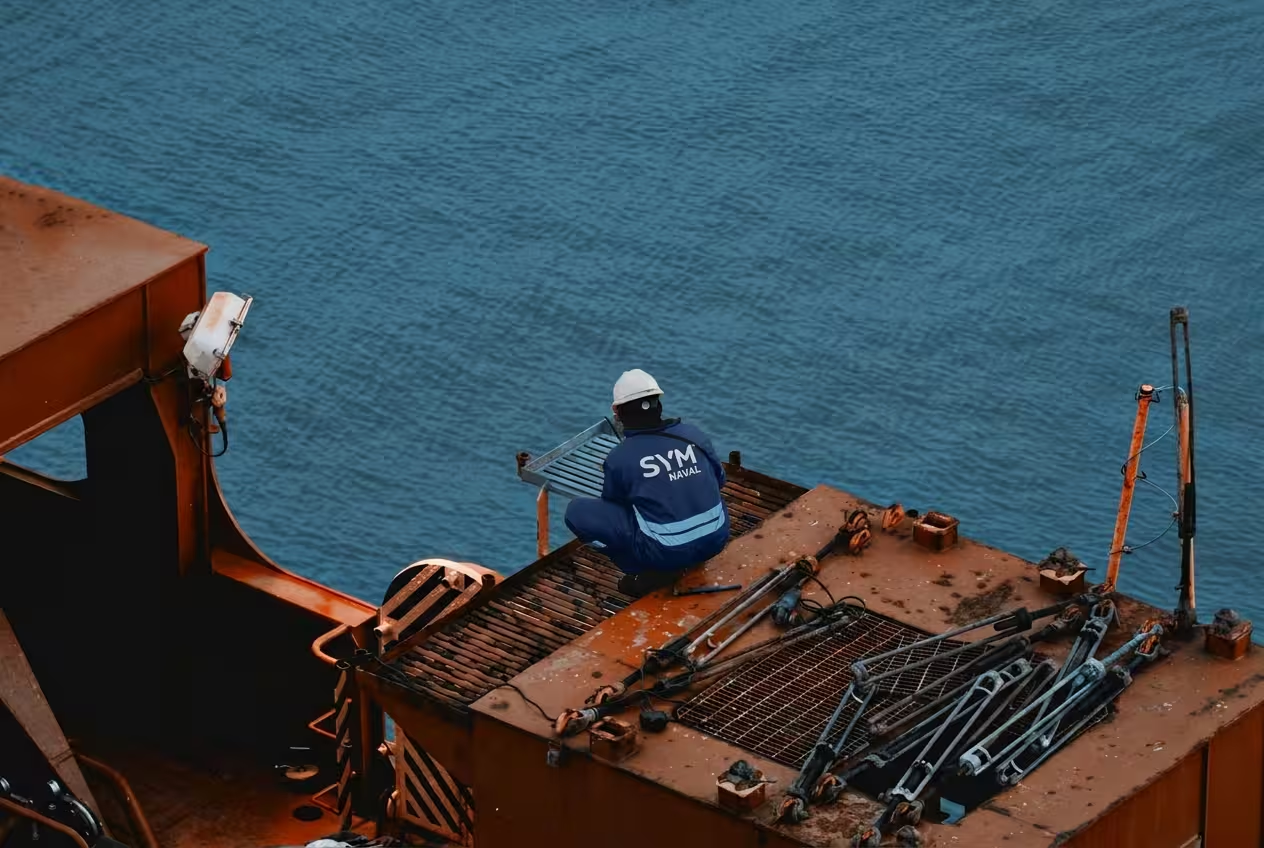
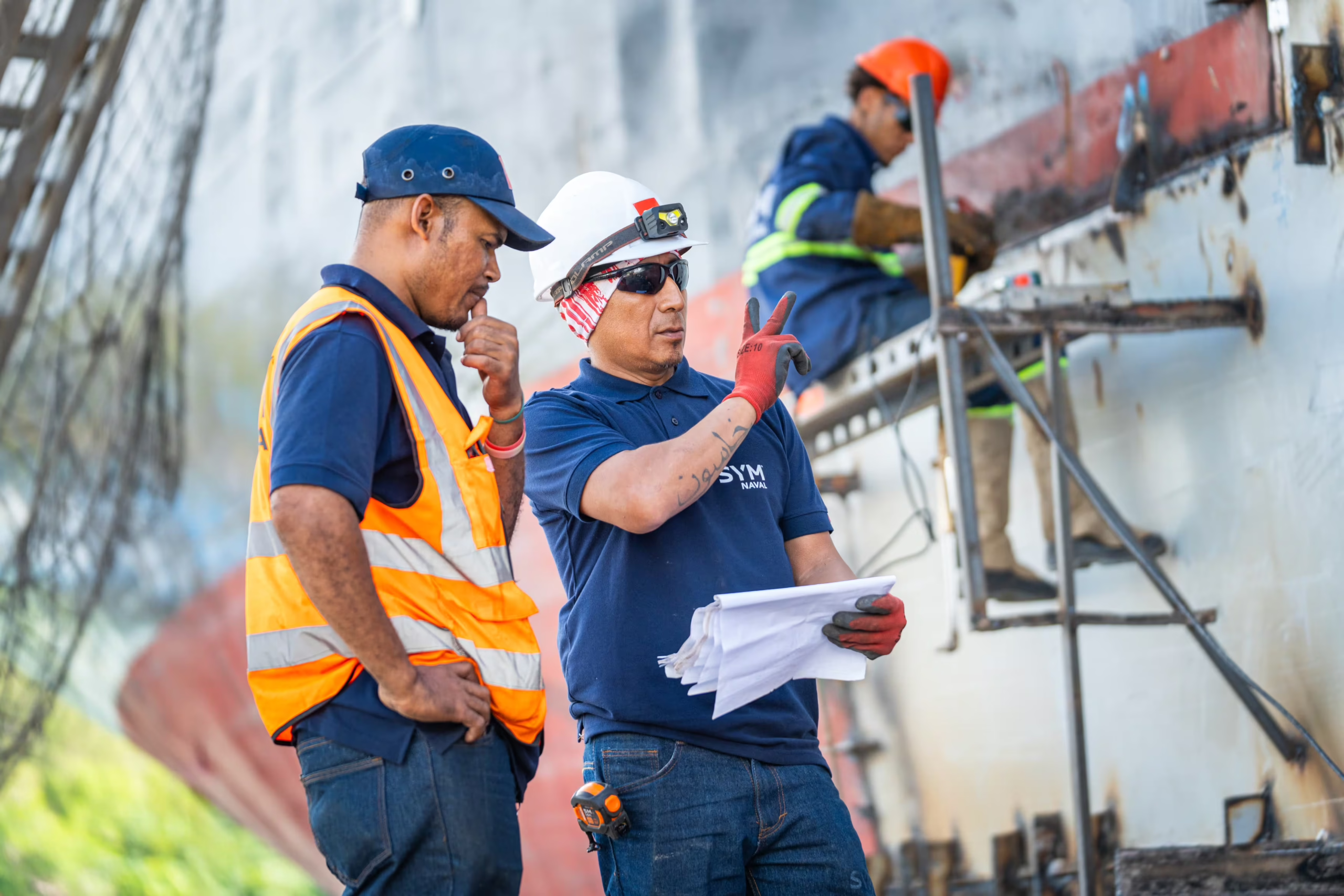
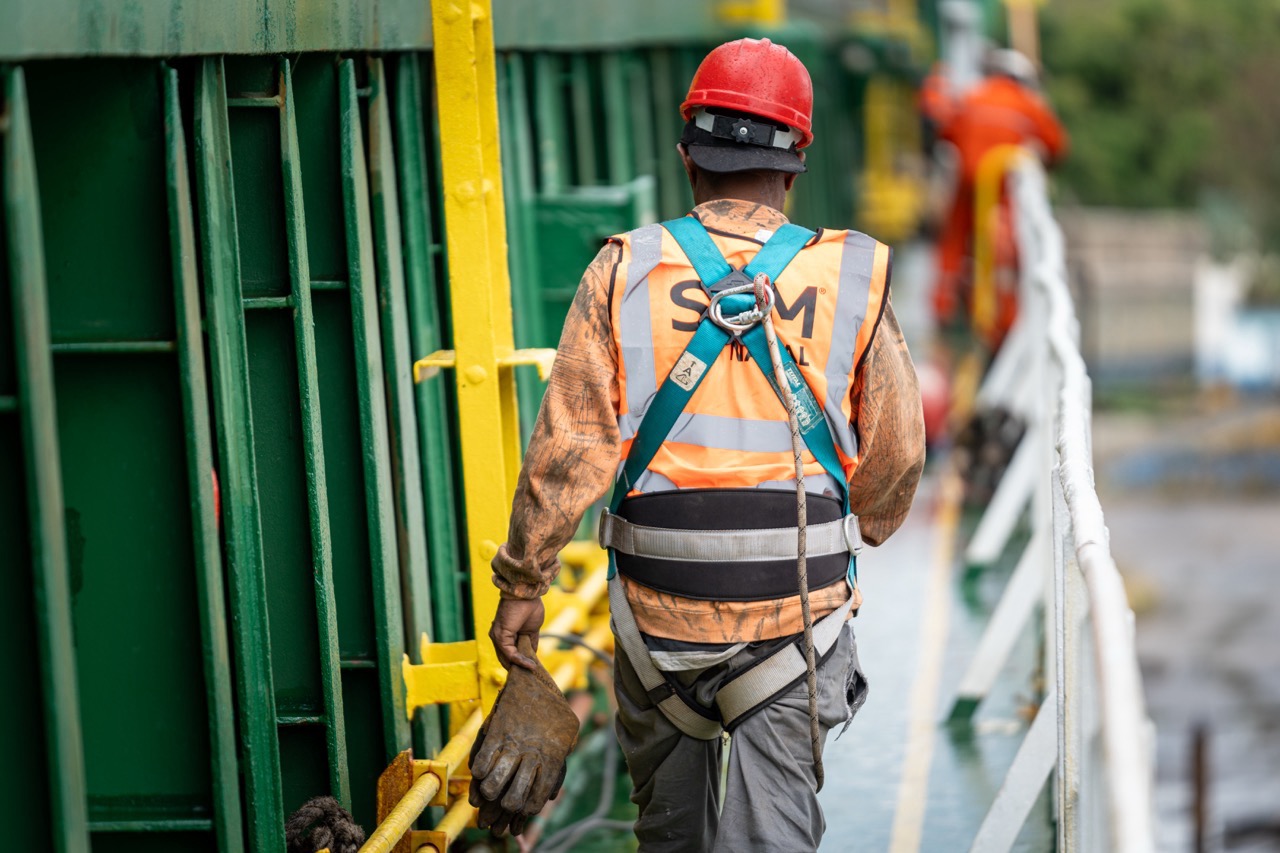
In this scenario, real capability lies in rapid mobilisation and execution with portable equipment. At SYM Naval, we operate in Panama with an availability-driven approach: technical teams that can deploy quickly to board the vessel and carry out work compatible with afloat intervention, in close coordination with the crew.
If you want operational context on our local presence, you can see our Panama team and the scope of afloat repairs in Panama.
Before, during and after transit: a practical way to structure the work
For vessels transiting the Canal, structuring the intervention by phases helps prioritise:
- Before transit: verification and correction of critical points that may affect manoeuvring, safety or continuity of service.
- During transit (when applicable): technical accompaniment in specific cases where immediate response or close monitoring is required.
- After transit: closing items, testing and completing planned work that should not be carried into the next route stage.
This approach does not replace dry-docking when required, but it does reduce uncertainty and helps manage operational risk during windows already constrained by Canal operations.
Regional coordination: technical continuity across Panama, the Caribbean and the Mediterranean
A technical stop is more effective when it fits into a broader plan. For work that requires continuity or phased execution, coordination across bases is an advantage: start scope in Panama and continue it at another call without losing technical criteria or traceability.
At SYM Naval, we work with an operational network that connects Panama with the Caribbean and the Mediterranean, maintaining standards and follow-up. For a broader overview, you can visit ship repair.
If you want to plan a technical stop, the first step is simple: define scope, operational constraints and the available window. From there, the work is about executing with method to reduce off-hire and keep the vessel available.