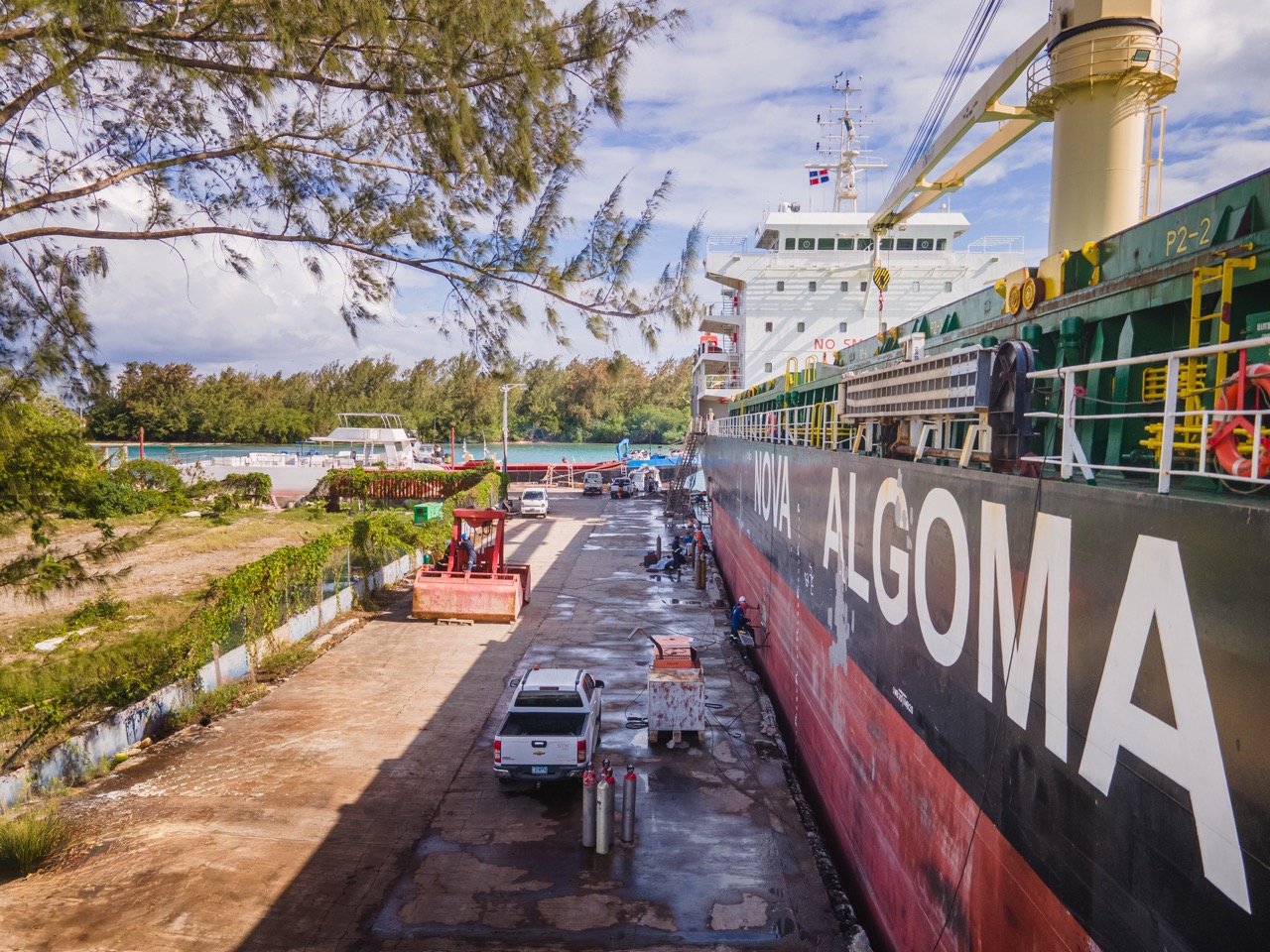
Waste generated by ships during day-to-day operations—oily mixtures, sewage, garbage, cargo residues and atmospheric emissions—represents a real risk to the marine environment and, by extension, to human health and ecosystems. Direct discharge at sea, especially along busy shipping routes, can cause persistent impacts that are difficult to reverse.
To reduce these risks, the international community has developed agreements promoted by the International Maritime Organization (IMO). The most relevant is the MARPOL 73/78 Convention, the backbone of the global framework for preventing pollution from ships.
What is the MARPOL 73/78 Convention?
MARPOL originates from the international agreement adopted in 1973 and the 1978 Protocol. Together, they are commonly referred to as “MARPOL 73/78”. Its objective is clear: to eliminate intentional pollution of the marine environment by oil and other harmful substances and to minimise accidental discharges. It also reinforces a key operational principle: ship-generated waste must be delivered and treated ashore through adequate port reception facilities, neutralising its polluting potential and, where possible, enabling recovery and recycling.
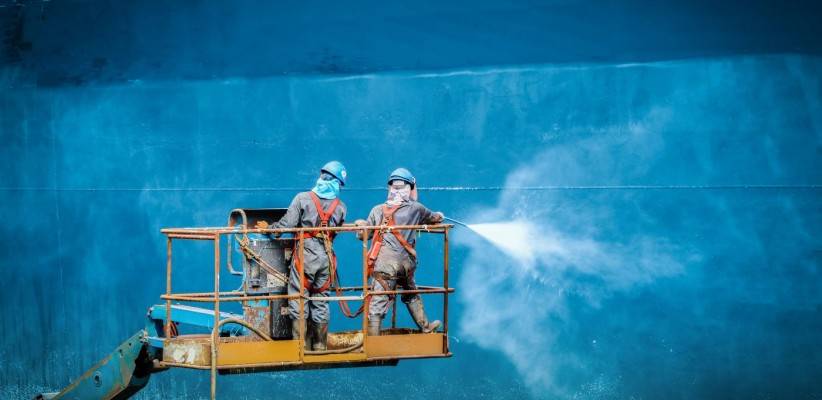
The term MARPOL comes from Marine Pollution and is widely used in practice to refer to waste generated during ship operation as well as during maintenance and cleaning activities.
MARPOL Annexes: what each one regulates
MARPOL is structured into annexes, each focused on a specific type of pollution. Understanding this classification is essential for proper waste management and for planning port deliveries:
- Annex I (Oil): rules to prevent pollution by oil and oily mixtures (bilge water, sludge, oily residues, etc.).
- Annex II (Noxious Liquid Substances in bulk): controls for residues and tank washings/ballast water associated with chemicals carried in bulk.
- Annex III (Harmful substances in packaged form): requirements for substances carried in packages, containers or portable tanks (marking, stowage, documentation, etc.).
- Annex IV (Sewage): rules to prevent pollution by sewage from ships.
- Annex V (Garbage): regulations covering shipboard garbage management, with particular emphasis on restrictions and controls on plastics.
- Annex VI (Air pollution): limits and requirements for atmospheric emissions and certain residues linked to specific systems (e.g., some exhaust gas cleaning residues).
In practice, this structure helps operators, ports and reception facilities classify waste correctly—what is delivered, how it is handled and what treatment is required ashore.
MARPOL Special Areas: why they matter
MARPOL includes Special Areas for certain annexes. These are particularly sensitive sea areas due to oceanographic and ecological conditions, limited water exchange, biodiversity or intense maritime traffic. In these areas, prevention requirements are stricter and operations must be planned with greater discipline. The Mediterranean Sea is a relevant example because of heavy traffic and environmental vulnerability.
Port waste delivery: the EU and Spanish framework
Operational compliance with MARPOL relies on one key element: the availability of port reception facilities that can receive ship-generated waste without causing undue delay. In the European Union, this approach is articulated through Directive (EU) 2019/883, which strengthens facility availability and waste traceability and repeals the previous Directive 2000/59/EC.
In Spain, the current framework is Royal Decree 128/2022, which implements Directive (EU) 2019/883 and updates the notification, delivery and control model, including information-sharing tools and a more consistent approach to port waste management.
For operators, the practical takeaway is straightforward: plan waste delivery as part of the port call, with prior information, correct classification and the use of authorised facilities—ensuring traceability and preventing discharges at sea.
Operational solutions: MARPOL service vessels for ports
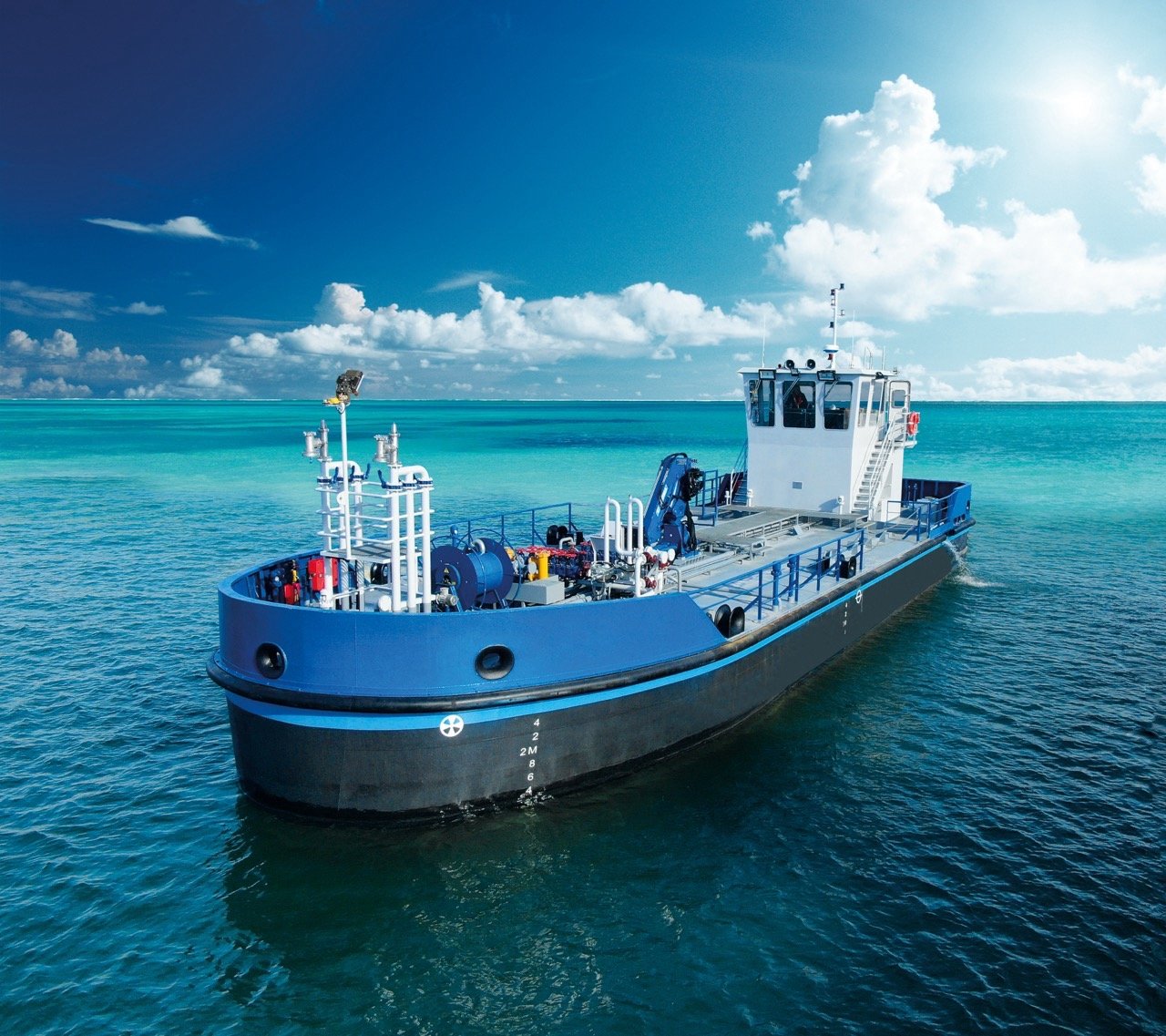
For compliance to be effective, reception and handling capacity must match real port operations. In this context, floating assets specifically designed for waste collection and port services can support delivery and reduce operational friction.
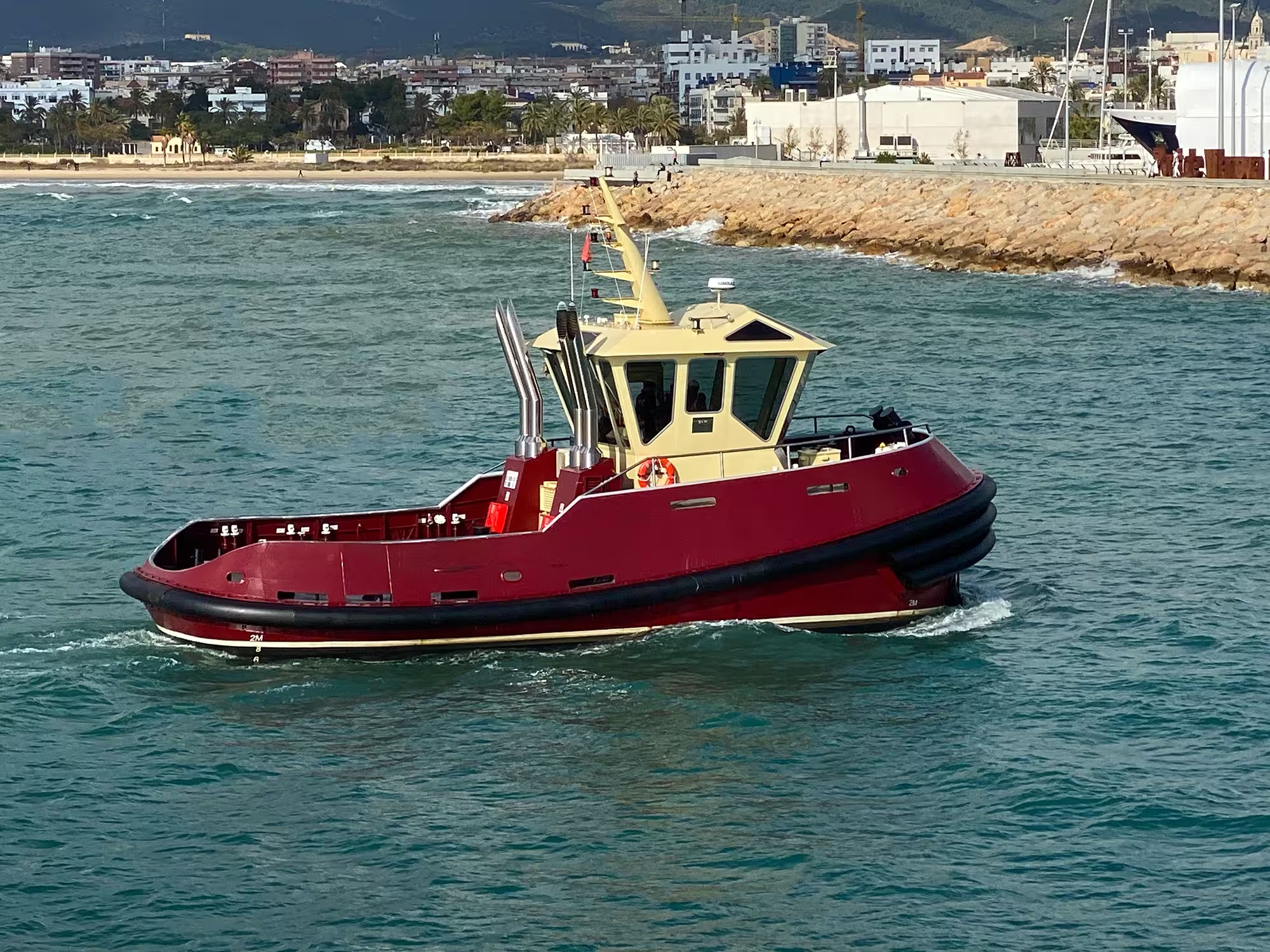
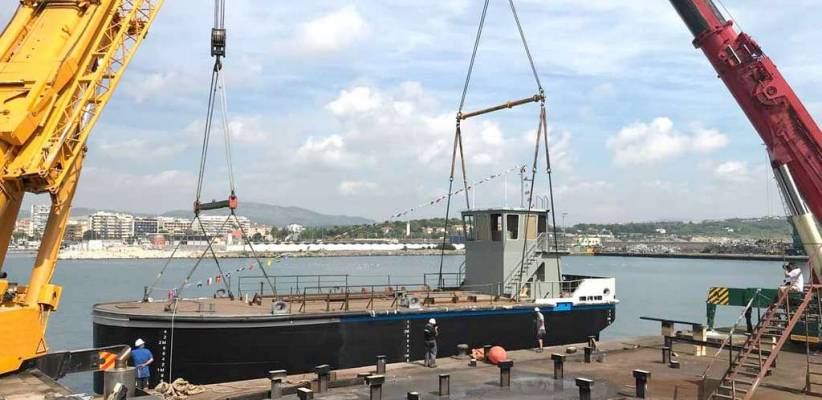
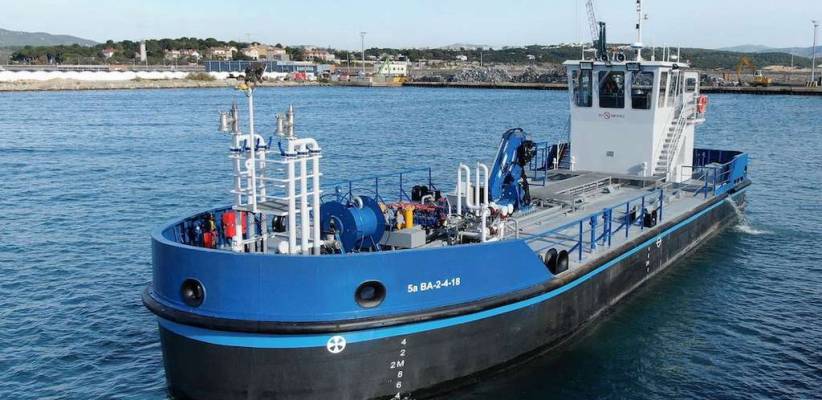
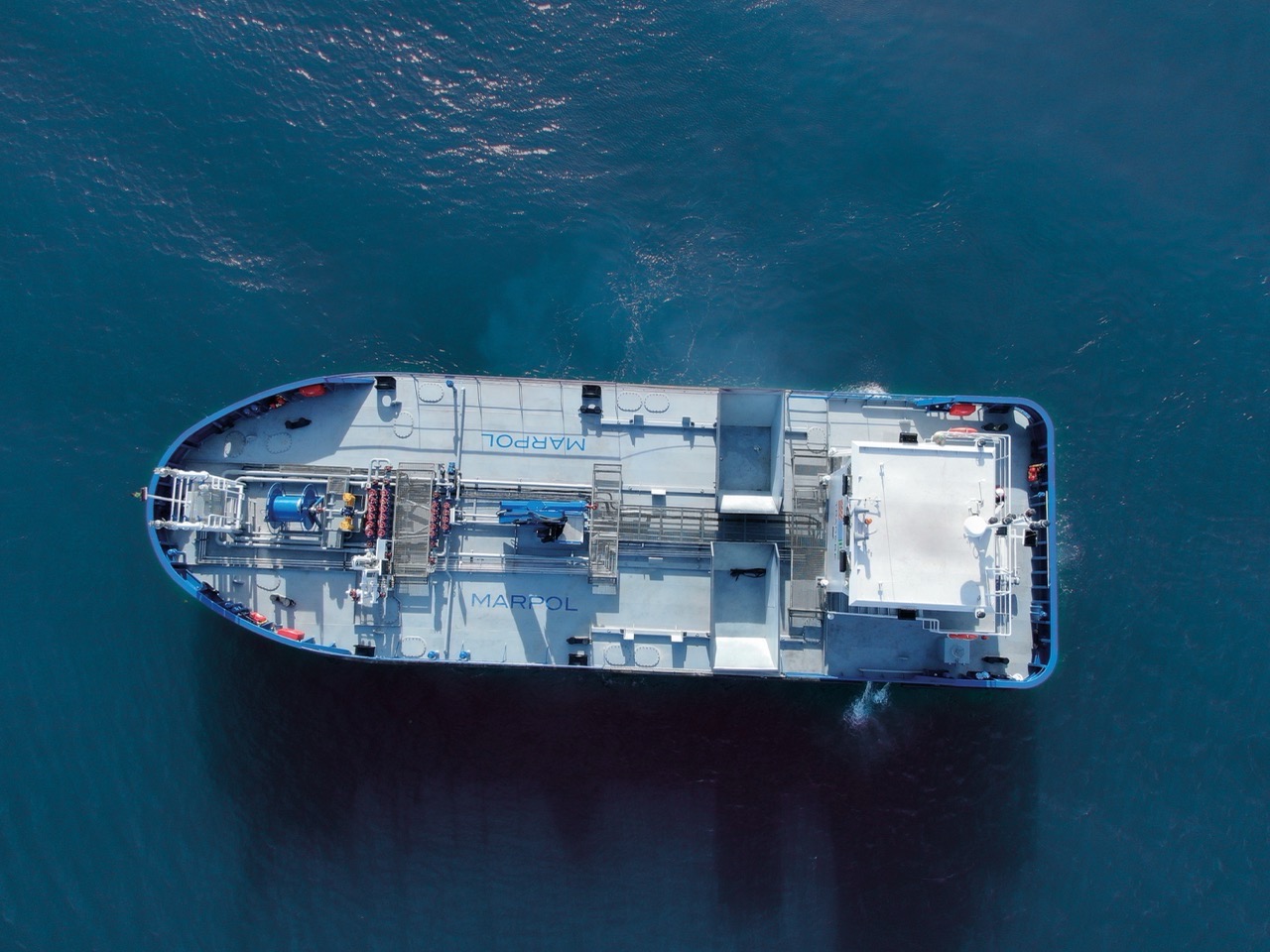
Within this scope, SYM Naval develops solutions such as the MARPOL harbour vessel, designed to support waste collection in port environments with a technical focus on service, safety and compliance. If you want to explore other port-support vessel types, see our range of auxiliary harbour vessels.
Effective waste management is not only a regulatory requirement—it is a critical component of operational sustainability across the maritime sector and of protecting the environment in which the industry operates.