Maritime transport has evolved into an increasingly specialised fleet. Beyond container ships and large tankers, there are many vessel types designed for very specific missions: optimising cargo logistics, operating in demanding port environments, supporting offshore activity or delivering technical services where availability and manoeuvrability are critical.
This guide covers the main types of vessels in maritime transport, using a practical, function-based classification. The goal is not to list categories for the sake of it, but to understand what makes each vessel type unique and why its design responds to a concrete operational need.
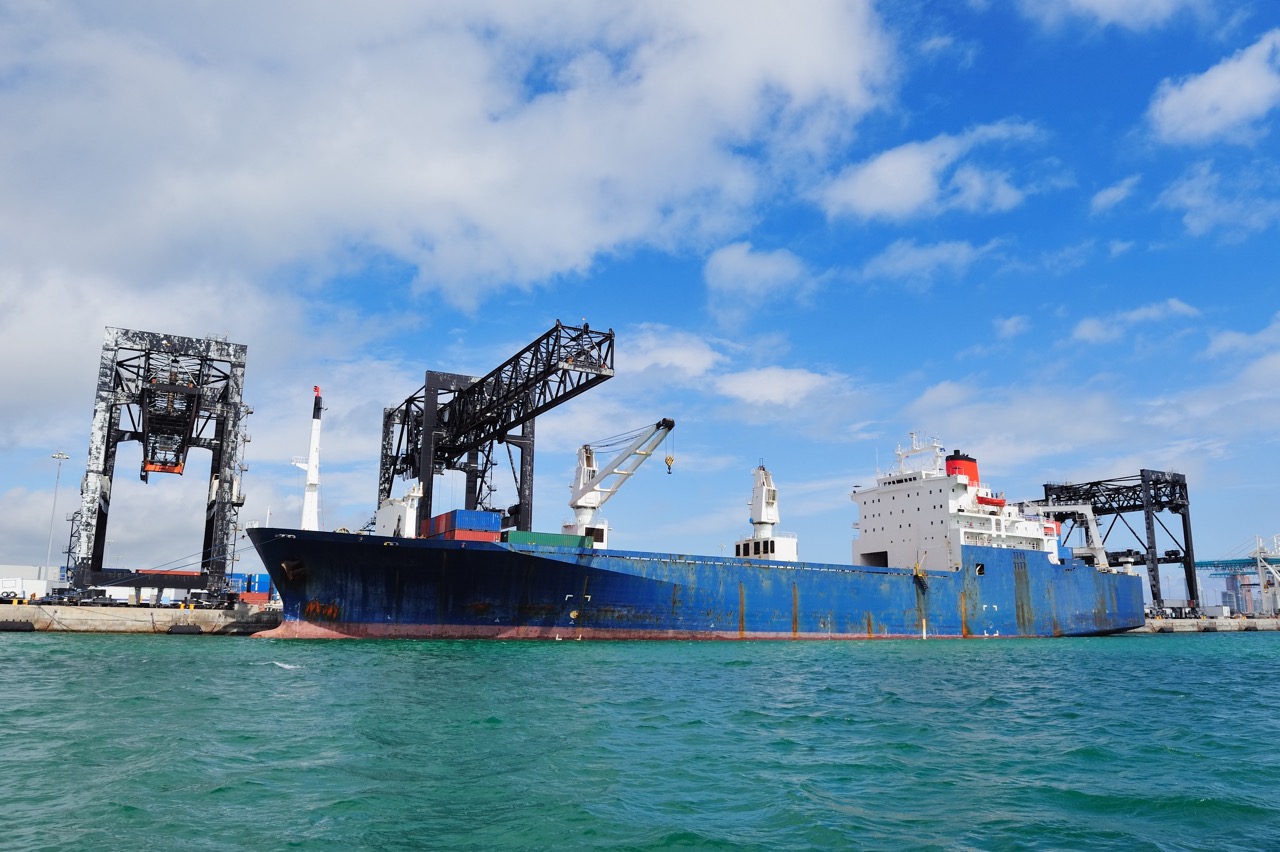
1) Cargo vessels: the backbone of international trade
Cargo vessels are designed to move goods efficiently and safely. The vessel type depends on the nature of the cargo (dry, liquid, wheeled, perishable) and the handling system (cranes, ramps, dedicated terminals, etc.). Broadly speaking, the most common are:
- General cargo (multi-purpose) vessels: carry mixed cargoes and remain valuable on routes where a dedicated specialised vessel would not be economically viable.
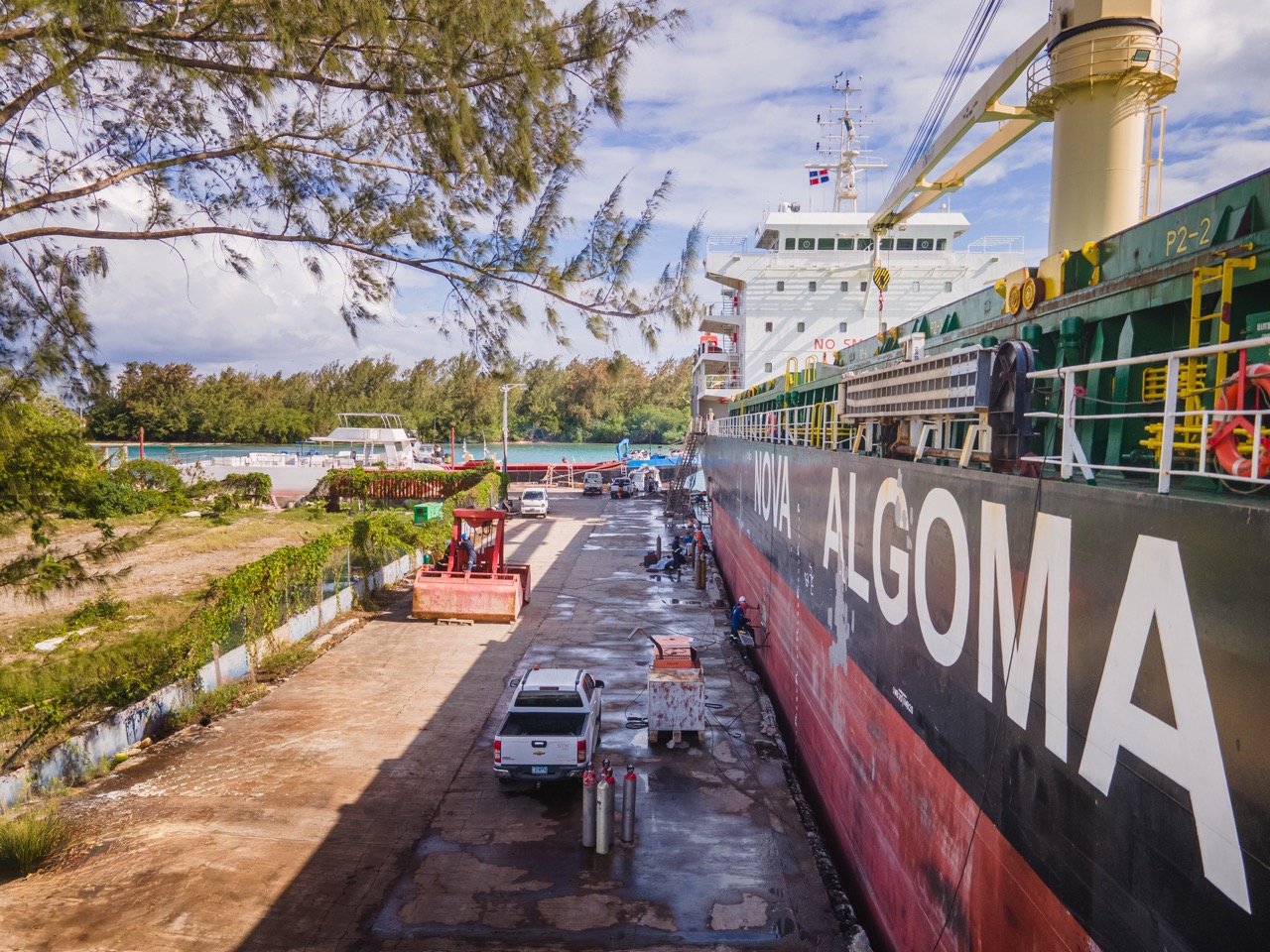
- Bulk carriers: optimised for dry bulk cargoes such as grain, ore or cement, with large holds and efficient loading/unloading systems.
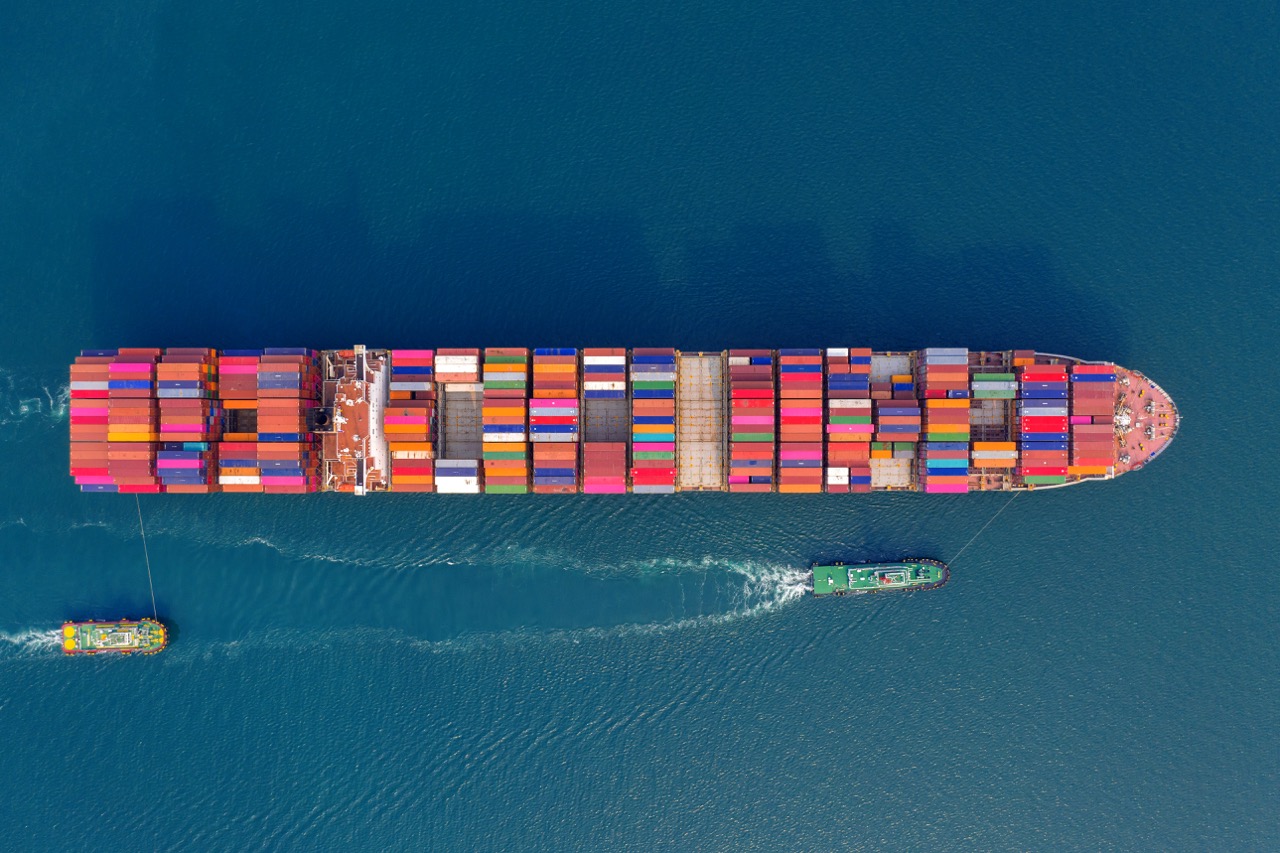
- Container ships: the standard of global trade thanks to containerisation (TEU). They range from regional feeders to large ocean-going units.
- Ro-Ro (roll-on/roll-off) vessels: designed for wheeled cargo (vehicles, trailers). Ramps reduce port time by minimising reliance on cranes.
- Reefer vessels: temperature-controlled ships for perishable cargo, often operating at higher speeds to reduce transit time.
- Tankers and supertankers: built for crude and petroleum products, with dedicated safety requirements and, in some cases, offshore loading/unloading operations.
- LNG carriers: transport liquefied natural gas under controlled temperature and pressure, using highly specialised containment systems.
- Chemical tankers: segregated tanks and dedicated containment/safety systems to prevent dangerous interactions between cargoes.
- Heavy-lift vessels: engineered for oversized or exceptionally heavy cargoes, with reinforced decks and high-capacity lifting systems.
- Semi-submersible (Flo-Flo) vessels: ballast down to submerge the deck for loading floating units (platforms, other vessels) and then deballast to lift cargo for transport.
In practice, vessel selection depends not only on the cargo itself, but also on port infrastructure, trading patterns and the balance between capacity, energy efficiency and operational time.
2) Professional and support vessels: operating, maintaining and servicing
Beyond moving cargo, the maritime sector relies on “working vessels” to maintain ports, support manoeuvres, perform technical tasks and enable continuous operations. These units prioritise manoeuvrability, working capability and reliability:
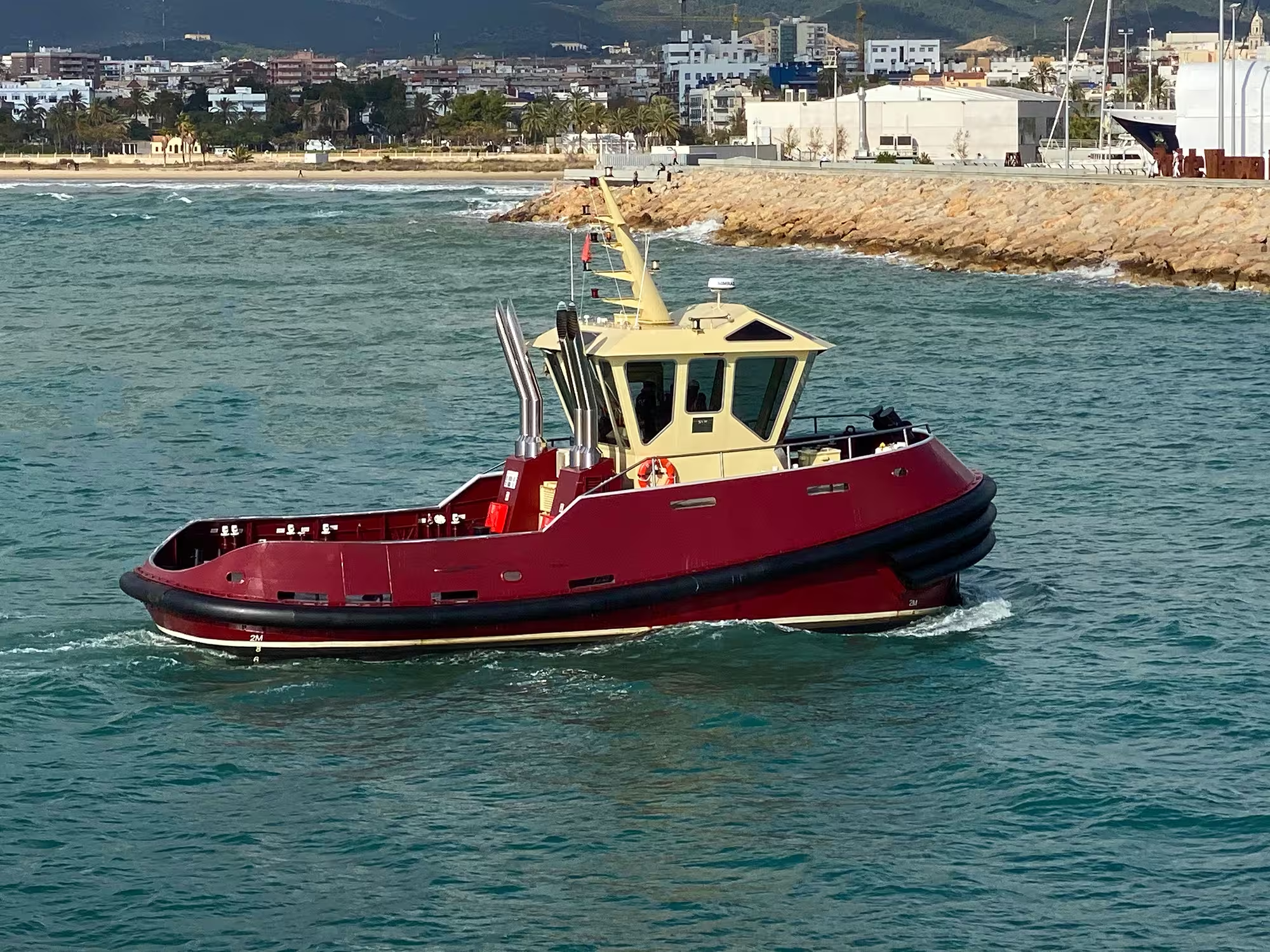
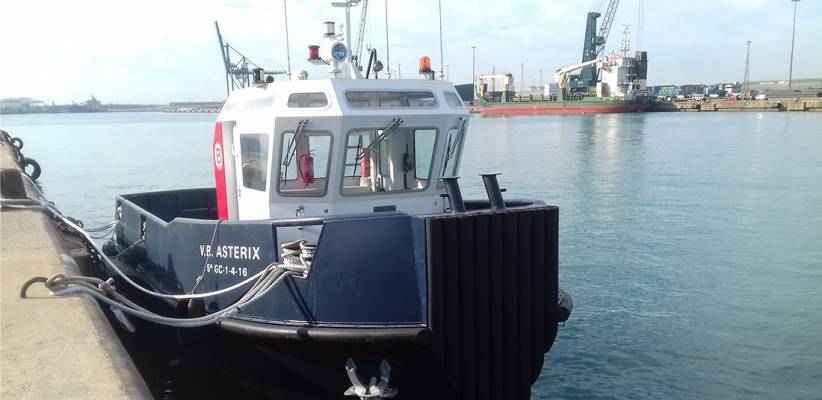
- Tugboats: assist in port manoeuvres and support other units through towing or pushing, delivering high power relative to size and precise control in confined areas.
- Dredgers: remove and manage seabed material for channel maintenance, port expansion and land reclamation projects.
- Cable-laying vessels: install and repair subsea communication and power cables, supported by positioning and controlled deployment systems.
- Logistics and supply vessels: deliver fuel, water, spare parts and other essentials to sustain operations without a port call.
- Specialised service vessels: from offshore support to pollution control, rescue and other mission-driven maritime services.
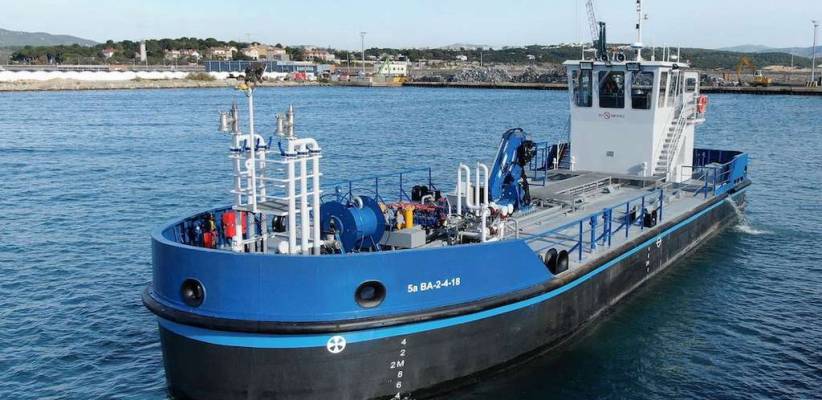
In port environments, tugboats and auxiliary harbour vessels are particularly critical because they directly affect safety, turnaround time and response capability. At SYM Naval, these units are part of our shipbuilding portfolio, including harbour tugboats and auxiliary harbour vessels, designed around real operational performance, robustness and availability.
3) Naval and other operational vessel categories
Naval vessels are designed for specific tactical and defence roles, with reinforced structures, integrated systems and operational requirements different from commercial shipping. In parallel, many vessel types are defined by their operating environment, such as inland and river vessels (shallow drafts and navigation constraints), or passenger ships and cruise vessels, which prioritise comfort, habitability and onboard services over cargo capacity.
These categories are not secondary: inland operations, passenger services and naval missions often demand specialised engineering and stringent safety standards.
4) Specialised vessels and trends: efficiency, sustainability and port operations
Specialisation continues to accelerate for three main reasons: pressure for efficiency (time and fuel), stricter safety requirements and environmental compliance. In port environments, this translates into vessels focused on clearly defined missions: pollution control, multi-purpose support, mooring assistance and other auxiliary services that keep port operations running smoothly.
At SYM Naval, we work at the intersection of port operations, applied engineering and sustainability. Examples within our portfolio include the Castalia electric vessel as a zero-emissions platform for specific operational profiles, and MARPOL harbour vessels dedicated to pollution control and environmental protection in port areas. These vessel types evolve quickly because they are directly shaped by regulation, operational efficiency and operator expectations.
In short, understanding vessel types is not just an encyclopaedic exercise. It is about recognising how naval design responds to real logistics and operational needs, and how fleets adapt to new demands in efficiency, safety and sustainability.